



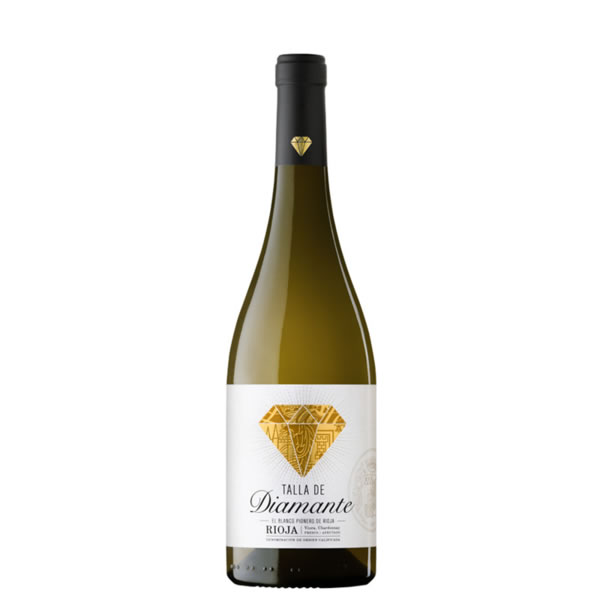
Description
Tasting notes: BODEGAS FRANCO-SPANISH – TALLA DE DIAMANTE BLANCO SEMIDULCE Vista: Color amarillo pajizo con hermosos destellos verdes Nariz: Notes of ripe white fruit, frutas exóticas y cítricos. Mouth: Final elegant and very cool for your notes citricas and carbonic acid natural. La bodega Bodegas Franco-Españolas nace en 1890 as the union between France and Spain on a peak in la Rioja, when the French came to the region trying to replace their vineyards devastated by the disease of phylloxera. It was the origin of the “fine wines of Rioja”. All this led to Frederick Anglade Saurat, natural Bordeaux, to found in 1890 Bodegas Franco-Españolas. The first harvest, a year later, gives as a result the wines icon wine cellar: Diamond and Style of Burgundy. This came to be called Rioja Bordón in the years 50, and in it is redesigned as Bordón. In 1920, fifteen years after the death of Anglade, the French sell their shares and the winery happens to be totally Spanish. The King Alfonso XIII to visit the winery in 1903 and in 1925. Ernest Hemingway will 1956. The end of the Dry Law in the USA in 1933 and the emergence of the Regulatory Council in 1953 give a boost to exports of Rioja wines. Franco-Spanish has a presence in major european cities, in addition, in Caracas, Buenos Aires, Havana and New York. 1964 it's an excellent harvest, perhaps the best of the century. In 1984, the entrepreneur Marcos Eguizábal (1919 – ) buy Bodegas Franco-Españolas, and in 1990 it is celebrated the first centenary of the Winery. In 2012 it renews the image of the wines Diamante and Rioja Bordon, and in 2013 la bodega recibe el premio ‘The Best of’ de Turismo Enológico en la categoría de Experiencias Innovadoras . In the winery he celebrates his 125 aniversario y en , Borja Eguizábal assumes the direction, giving way to the third generation of the family Eguizábal, as owners of the winery. In Rioja Bordón is relaunched, that happens to be a Staff, with a new concept: “Unabashedly classic”. Its privileged location, on the banks of the river Ebro, has made Bodegas Franco-Españolas witness of the history of Logroño. In the hands of the Family Eguizábal from 1984, is currently immersed in new projects and is a leader in the supply of leisure and culture of The Rioja with their varied proposals for wine tourism.




Reviews
There are no reviews yet.